
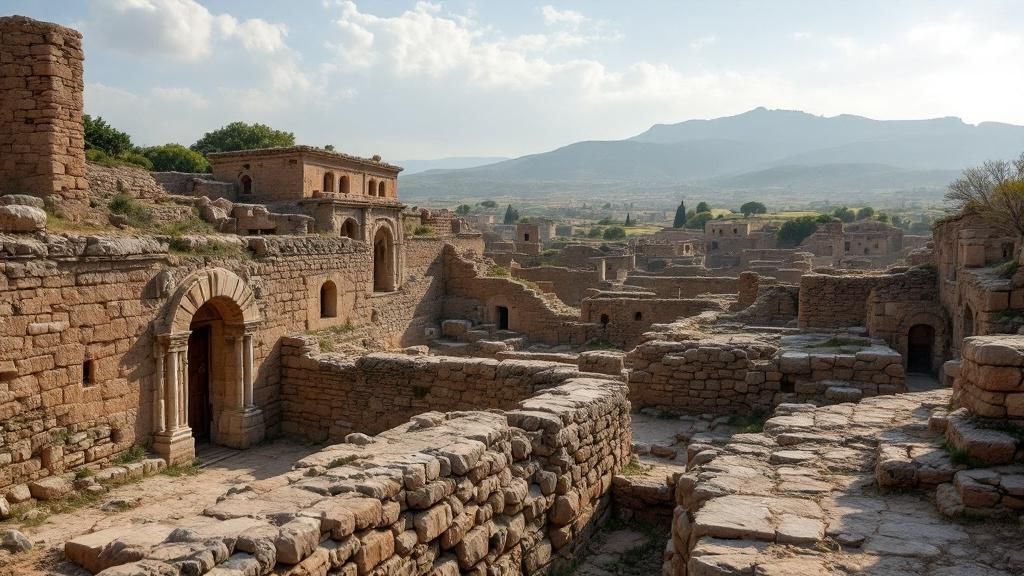
A remarkable archaeological discovery has illuminated how common Romans lived in antiquity. Archaeological work at a freshly unearthed settlement have brought to light an extraordinary collection of artefacts and structures that question established views about everyday life in the ancient empire. From household organisation and food preparation to social divisions and forms of entertainment, the results paint an surprisingly detailed portrait of life in Rome. This article explores the principal discoveries and what they show about the routines, habits, and relationships of people who lived in this intriguing era of history.
Archaeological Finds at the Roman Settlement
The excavation team discovered an impressive array of artefacts throughout the opening phases of the dig, comprising pottery fragments, coins, and tools that shed light on the settlement’s timeline and the daily lives of residents. Remarkably well-preserved domestic artefacts were located inside domestic buildings, delivering direct evidence about how families organised their living spaces and organised their daily household tasks. These findings have enabled researchers to build a picture of ordinary Romans’ material culture with remarkable precision and thoroughness.
Amongst the most compelling discoveries are the remains of a communal bathhouse and several small shops, suggesting the settlement operated as a bustling trade centre rather than an remote agricultural settlement. The architectural layout reveals deliberate town organisation, with streets laid out in a logical grid pattern typical of Roman urban layout. Notably, the presence of multiple hearths and cooking vessels indicates that meal preparation and dining played a central role in the community’s social structure and everyday social life.
Perhaps importantly, the excavation has brought to light evidence of complex water management systems, including aqueducts and cisterns that supplied fresh water to residents. This network demonstrates the Romans’ exceptional engineering prowess and focus on public health and sanitation. The discovery of recreational facilities, such as board games and recreational spaces, further illustrates that life in general included not merely survival and labour, but also social interaction and entertainment.
Examining Home Life and Social Organization
The uncovered settlement delivers unprecedented insights into how Romans organised their domestic and social arrangements. Archaeological evidence uncovers a sophisticated class system reflected in residential arrangements, with wealthier families inhabiting spacious, ornately furnished dwellings whilst poorer inhabitants inhabited modest dwellings. Artefacts discovered within these spaces—including pottery, jewellery, and domestic tools—reveal everyday activities and community relations. The spatial distribution of buildings suggests a well-planned community with allocated spaces for trade, religious observance, and habitation, showcasing refined architectural planning methods.
Housing and Architecture
The dwelling buildings uncovered at the settlement showcase remarkable variety in design and construction techniques. Wealthier homes included several rooms laid out around central courtyards, with evidence of hypocaust systems and ornamental mosaics decorating floors and walls. These dwellings featured separate kitchens, bathrooms, and storage areas, demonstrating sophisticated domestic arrangements. In contrast, working-class residences consisted of compact single or two-room buildings with shared communal facilities. The calibre of construction materials—spanning from stone and marble to timber and brick—bore a direct relationship to inhabitants’ social and economic position.
Excavations brought to light intriguing details about everyday household practices through the preservation of domestic objects and structural remains. Cooking hearths, grinding stones, and ceramic vessels indicate food preparation was a key household activity. Sleeping areas contained evidence of beds and furnishings, whilst storage areas held storage jars containing stored provisions and liquids. Wall paintings and ornamental features reveal artistic tastes amongst Roman families. The finding of children’s toys and learning resources indicates families valued raising children and education, demonstrating wider Roman attitudes concerning family life and learning.
- Hypocaust systems supplied underfloor heating across elite homes.
- Mosaic floors displayed intricate designs representing mythological and everyday scenes.
- Communal ovens catered to various homes in working-class districts.
- Atrium courtyards functioned as central gathering spaces for household members.
- Storage cellars kept stored goods such as grain, wine, and dried fruits.
The architectural examination demonstrates how Roman settlement design embodied and strengthened class differences. Public spaces like forums and temples held key central positions, whilst housing zones spread out in systematic arrangements. The existence of defensive walls and watchtowers points to security anxieties, whilst carefully maintained routes joined separate areas. Water management systems, comprising aqueducts and drainage channels, reveal engineering knowledge and collective investment in facilities. These findings collectively illustrate a sophisticated, hierarchically-organised settlement where physical space expressed social position and enabled everyday contact.
Artefacts and Cultural Significance
The archaeological investigation has produced an remarkable collection of finds that provide essential knowledge into Roman material practices and routine behaviour. Ceramic sherds, coins, and household items have been meticulously catalogued and studied by experts. These objects illuminate trade networks, economic systems, and consumption patterns of the community members. The preservation quality has allowed scholars to identify fabrication processes and regional sources, highlighting the settlement’s connections to wider Roman commerce and cultural exchange across the empire.
Particularly notable are the ornamental items and personal belongings found throughout the site, including jewellery, game tokens, and devotional statues. These artefacts reveal the artistic preferences and religious convictions of the community’s residents. The presence of high-value items alongside common objects points to a socially stratified society with different degrees of wealth and status. Such discoveries challenge assumptions about homogeneity across Roman provincial life, revealing instead a complex tapestry of individual preferences and cultural expressions that endured within the broader imperial framework.
The cultural importance of these discoveries goes beyond academic interest, offering present-day society a tangible connection to our forebears. By analysing these physical artefacts, archaeologists reconstruct forgotten narratives of ordinary people whose lives formed Roman civilisation. The site serves as a small-scale version of imperial society, illustrating how local communities maintained separate identities whilst engaging with the larger Roman context. These uncovered artefacts tell us that history consists of numerous personal narratives yet to be discovered and recognised.
